
The tech landscape in 2024 is being shaped by both explosive new developments and deeper consolidation of trends we’ve already seen. Many organisations aren’t just experimenting with buzz technologies; they’re operationalising them. As McKinsey & Company’s “Technology Trends Outlook 2024” notes, despite macro-headwinds in many sectors, investments in frontier technologies remain strong.
At the same time, emerging technologies (from sustainability to advanced materials) are gaining traction beyond the usual digital domains.
So: let’s walk through the major themes, then look at implications and what businesses/individuals should watch for.
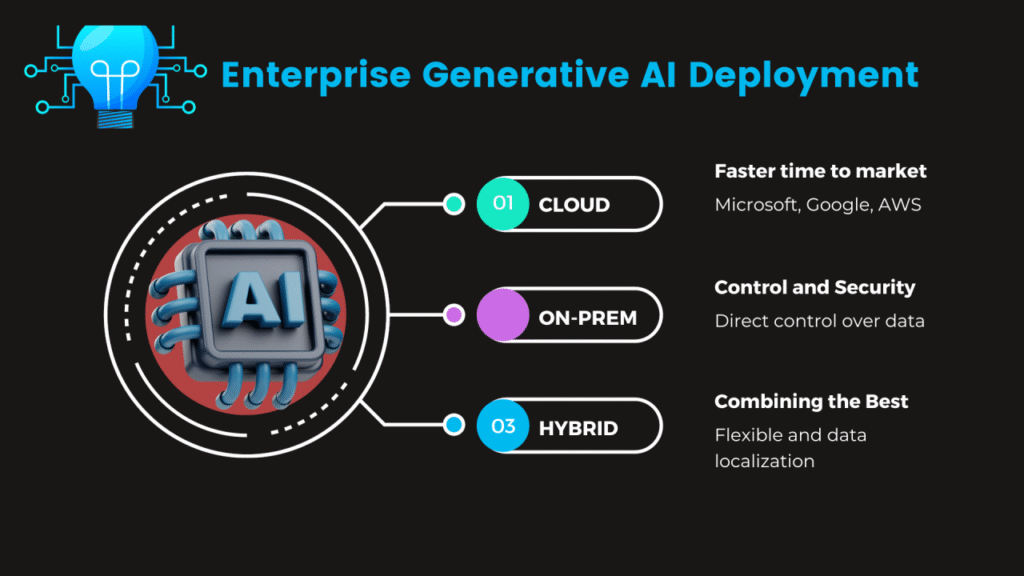
One of the clearest tech trends of 2024 is the movement of generative AI from hype to enterprise integration. For example, in the “Top 10 Technology Trends of 2024” list from Technology Magazine, the #1 trend is “Generative AI Enterprise Integration” — enterprises deploying Gen-AI in specific business functions, beyond experimentation.
According to McKinsey, the AI revolution category now encompasses applied AI, generative AI, industrialising ML, and next-generation software development.
What’s new:
- Companies are shifting from generic large-models to domain-specific implementations (for finance, healthcare, manufacturing) with tailored datasets and workflows. Technology Magazine
- Infrastructure and governance are more important than ever: data pipelines, model governance, embedding AI in workflows, securing sensitive data.
Implications: - For business: AI is becoming an operational lever, not just a research project. Organisations that don’t embed AI risk falling behind.
- For individuals: Skills around prompt engineering, AI model validation, domain-specific data modelling are becoming more valuable.
- For India / emerging markets: The opportunity lies not just in using off-the-shelf models, but in tailoring AI to local languages, local data, domain problems.
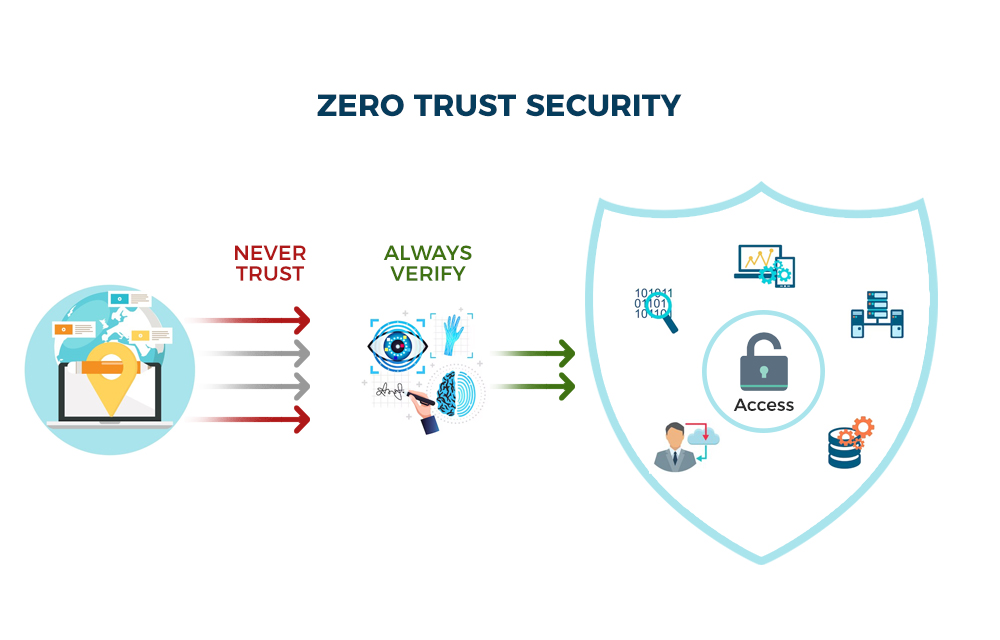
With the proliferation of devices, remote work, cloud services and AI systems, the cybersecurity perimeter is in flux. The “zero-trust” security model is getting serious adoption in 2024. From the Technology Magazine list: “Zero Trust Security Architecture” is highlighted.
McKinsey’s report also emphasises “digital trust” as a key trend.
Key aspects:
- Authenticate everything, verify continuously: users, devices, sessions.
- Secure AI/ML systems, supply chains, data flows: trust is not just about perimeter but also about the integrity of new systems (AI, edge, IoT).
Implications: - Enterprises must invest not just in prevention but in detection, response and governance.
- For emerging markets: security is often an after-thought; 2024 emphasises building trust by design — especially for AI and data-driven systems.

Technology is not just about data and compute — in 2024 the interplay between tech and sustainability has become more pronounced. According to McKinsey, “future of energy and sustainability technologies” is a combined major trend.
Also, the World Economic Forum’s “Top 10 Emerging Technologies of 2024” list highlights innovations such as “carbon-capturing microbes” and “high altitude platform station systems” for connectivity and sustainability.
What this means:
- Data centres, AI workloads, compute infrastructure all have major energy and sustainability implications.
- Innovation is happening not only in “pure IT” but in materials science, energy generation, storage, and green manufacturing.
Implications: - Tech leaders must embed sustainability in their strategies: from hardware choices, supply chain emissions, to energy usage.
- For India: given energy challenges and manufacturing scale, integrating sustainability with tech is a huge opportunity.
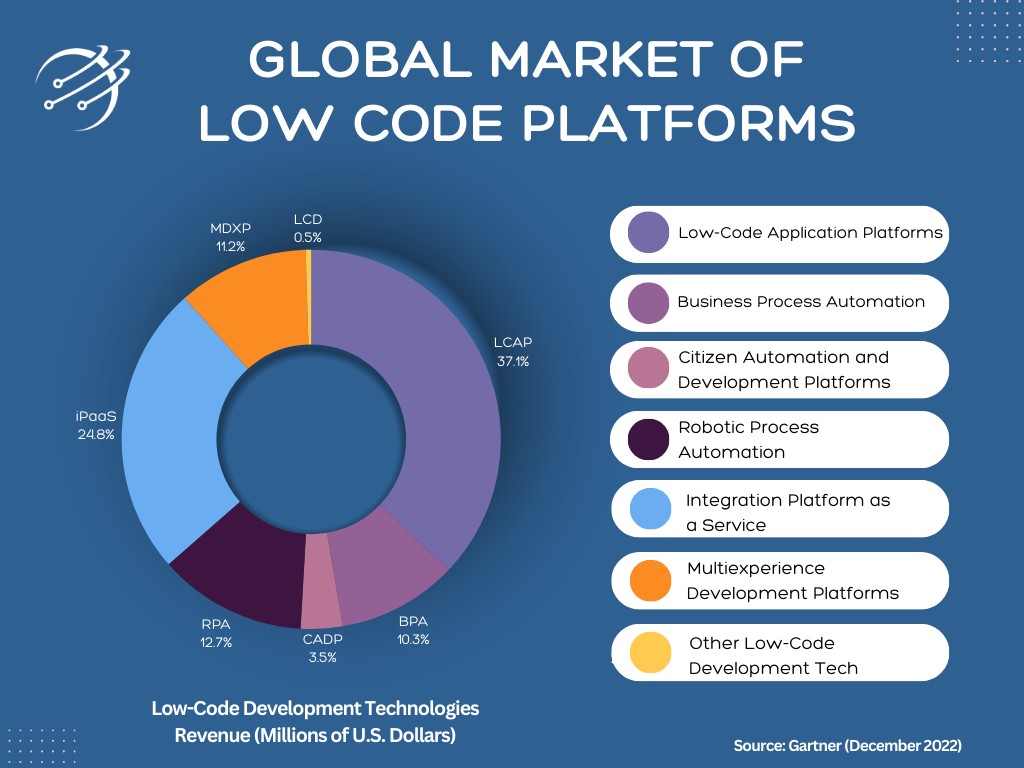
2024 has seen increased focus on empowering non-technical users to build apps, workflows and automations — with no-code/low-code platforms. According to a Forbes article looking at “Tech Trends for the second half of 2024”, no-code/low-code is emerging.
Why it matters:
- With AI, edge, data pipelines, etc., there is still a shortage of specialised engineers. No-code/low-code expands the pool of “builders”.
- Enables faster time to value for firms, and more innovation from business teams.
Implications: - Professionals who pair domain-expertise + ability to use no-code tools will be in demand.
- Organisations must govern no-code/low-code use (security, integration, maintainability) — otherwise risk shadow IT.
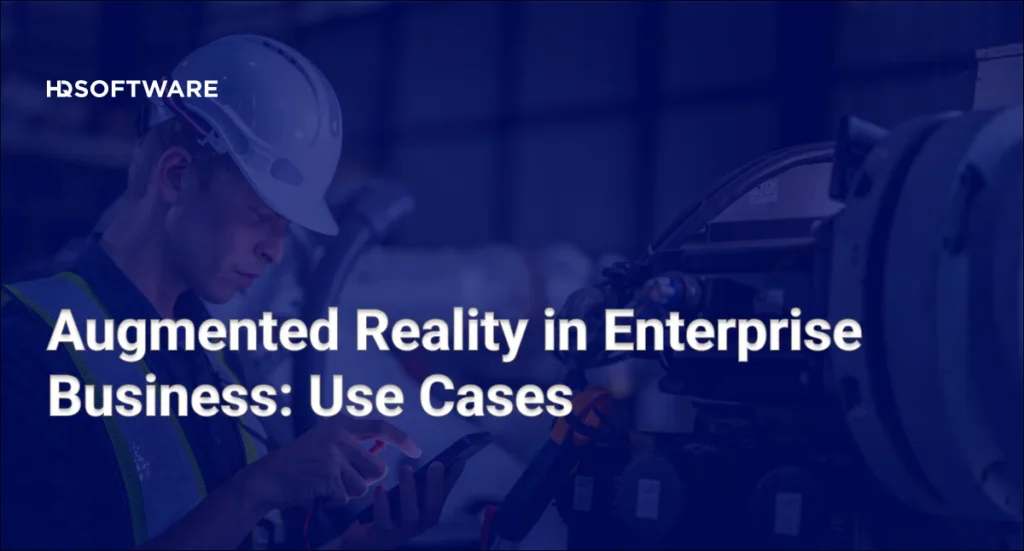
While perhaps not as dominant as AI, immersive technologies — AR/VR, spatial computing, digital twins — are increasingly relevant in 2024. According to the Accenture “Technology Trends 2024” report, “new frontiers in spatial computing” are part of the agenda.
Use-cases:
- Training/education (VR simulations)
- Remote collaboration and remote maintenance (AR overlays)
- Digital twins for factories, smart cities
Implications: - The hardware ecosystem (optics, display, sensors) still has challenges, but enterprise investments are growing.
- For global markets: the cost-effectiveness of immersive solutions is improving, making adoption in emerging markets more feasible.
For Businesses:
- Prioritise: You cannot adopt everything at once. Choose 1-2 areas (e.g., AI + edge infrastructure) where your organisation can lead. McKinsey emphasises that frontier tech investment must link back to business value.
- Build flexible infrastructure: Hybrid cloud + edge + on-premises is becoming the new norm.
- Upgrade governance & trust: As tech becomes more embedded, questions around security, ethics, sustainability, and trust become integral.
- Upskill workforce: With changes in tools and workflows (e.g., no-code, generative AI), roles and skill sets are shifting.
For Individuals: - Develop T-shaped skills: Domain expertise + basic understanding of AI, edge, or immersive tech will help.
- Stay curious and adaptable: Tech is evolving fast — being able to learn new tools/approaches is key.
- Understand ethical/strategic dimensions: It’s not just about using tech, but understanding its broader impact (privacy, sustainability, governance).
For India / Emerging Markets: - Localise: Many global tech solutions need adaptation to local languages, cultures, infrastructure realities.
- Leap-frog: Some markets have the opportunity to skip older legacy infrastructure by adopting edge, private networks, newer models.
- Embed sustainability: With energy, manufacturing and scale issues being critical in these markets, integrating sustainability and tech offers a competitive advantage.
Looking Ahead: What to Watch
- Standardisation & governance of AI: As AI becomes central, standards, regulation, and trust frameworks will become vital.
- Semiconductor / chip supply chain: With edge computing and AI hunger growing, chip architecture and supply will be key.
- Convergence of technologies: For example, AI + sustainability tech + edge infrastructure + immersive computing.
- Digital inclusion: Ensuring the benefits of these tech trends spread beyond major global hubs to wider geographies and communities.
- Ethical & societal impact: Technology is not neutral; how it is used, by whom, under what governance will matter more than ever.